
From Systolic Blood Pressure to Digital Detection: A Timeline of Polygraphy
History of the polygraph. The development of the polygraph—commonly known as the lie detector—has followed a fascinating journey marked by scientific curiosity, technological innovation, and legal controversy. At Polygraph India, we continue this tradition by using the most advanced tools and validated methods to deliver reliable lie detection services.
Early Beginnings of Lie Detection
While the first modern polygraph instrument was developed in 1921, the idea of using physiological responses to detect deception had already captured public attention.
🧪 William Moulton Marston (Pre-1921)
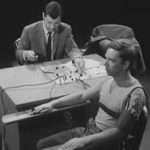
Before the invention of the polygraph, Marston—who would later become known for creating the character Wonder Woman—experimented with systolic blood pressure as a deception indicator. He applied his technique to a high-profile murder case, helping to overturn a conviction in what became the landmark Frye v. United States decision.
The ruling by Justice Van Orsdel established the ‘Frye Standard’: expert testimony must be based on scientifically accepted methods. While Marston’s technique was rejected in court, it paved the way for scientific evidence to enter the legal system.
The Invention of the Polygraph
⚙️ John Larson (1921)
John Larson, a police officer and physiologist, built the first instrument that could be classified as a polygraph. His device recorded both blood pressure and respiration, laying the groundwork for multi-channel physiological data analysis.
⚡ Leonard Keeler (1938)
Keeler, a student of Larson, improved the polygraph by adding the galvanometer, which measured skin conductivity (also called electrodermal activity). This third channel became a core component of modern polygraphy.
Technological Evolution of the Polygraph Instrument
Over the decades, several innovations helped advance the accuracy, usability, and reach of the polygraph:
- 🧳 Portable Models: Thanks to electronic miniaturization, polygraphs became mobile, allowing examiners to conduct tests across multiple locations.
- 💾 Digitalization: The shift from analog to digital instruments allowed better data storage, remote sharing, and more refined analysis.
- 🌍 Global Expansion: As technology became more accessible, polygraphy gained popularity outside the United States.
Polygraph Testing in India
Today, polygraph testing in India is widely used by public institutions and private organizations alike. From criminal investigations to corporate risk management, the polygraph continues to serve as a valuable tool for uncovering the truth.
At Polygraph India, we focus on bringing this science to the private sector—applying advanced polygraph instruments and international standards to provide reliable services throughout the country.
Continue Exploring
- 🔬 How the Polygraph Works: Read more
- 🧪 Polygraph Instrument: See our tools
Interested in applying this technology to your case? 📞 Visit our Contact Page to schedule a consultation with a certified examiner.